
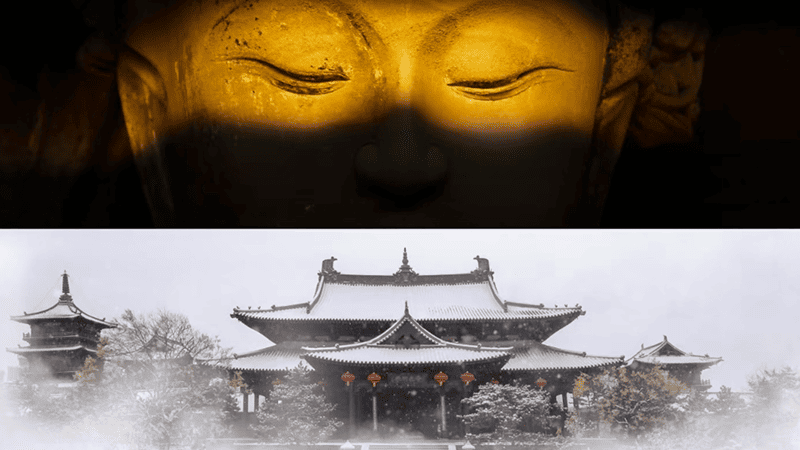
By Sherry Fei | May 2026
There is something quietly overwhelming about standing in front of an ancient Chinese building.
Not because it is tall or grand in the Western sense — but because it feels… balanced. Measured. Intentional.
Wood, stone, water, and space arranged in a way that makes you slow down without being told to.
If you are planning a trip and searching for ancient Chinese architecture, this guide walks you through both the iconic landmarks and lesser-known spaces — with context, atmosphere, and practical travel tips.

Source: 小红书@行走的码字Landy
What Defines Ancient Chinese Architecture?
Before diving into locations, it helps to notice a few recurring elements:
- Symmetry and axis planning — especially in palaces
- Wooden structures with layered brackets and curved roofs
- Courtyard layouts that organize daily life
- Integration with nature — gardens, water, mountains
- Symbolism — colors, animals, directions, hierarchy
Architecture here is not just about buildings. It is about how people move, gather, and exist within space.

Source: 小红书@CHOS1N
1. Imperial Power: Palaces and Monumental Architecture
The Forbidden City, Beijing
If you search for Chinese imperial architecture, this is where everything begins.
A vast palace complex that once housed emperors, it is built along a strict central axis, with layers of courtyards and halls unfolding one after another.
What to notice:
- The scale — it feels endless
- The color system: red walls, yellow roofs
- The hierarchy of space — who could go where
How to visit:
- Located in central Beijing
- Easily accessible by metro
- Go early to avoid heavy crowds

Source: 小红书@eleanora
Summer Palace, Beijing
A different expression of power — softer, more poetic.
This is where Chinese landscape architecture comes alive: lakes, bridges, corridors, and pavilions designed as a complete environment.
What to notice:
- The balance between built space and nature
- Long corridors painted with narrative scenes
- Views designed like paintings

Source: 小红书@启成
2. Sacred Spaces: Temples and Spiritual Architecture
Shaolin Temple, Henan
Famous globally, but still deeply rooted in Chinese temple architecture.
What to notice:
- Simplicity compared to imperial buildings
- Pagoda forest nearby
- Strong connection between architecture and practice
Access:
- Reachable from Zhengzhou or Luoyang by train + car

Source: 小红书@摄影师任红兵
Lama Temple, Beijing
A working temple, not just a tourist site.
What to notice:
- Incense rituals
- Visitors moving quietly through halls
- A mix of architectural styles

Source: 小红书@FLY
3. Vertical Symbols: Pagodas and Towers
Giant Wild Goose Pagoda, Xi’an
A classic example of Chinese pagoda architecture.
Originally built to store Buddhist scriptures, it reflects how architecture was tied to knowledge and religion.
What to notice:
- The clean geometric form
- Brick construction instead of wood
- The sense of upward movement

Source: 小红书@单间里的小胡酱
Leifeng Pagoda, Hangzhou
Overlooking a lake, this structure blends legend, history, and scenery.
Travel tip:
Combine with a lakeside walk or boat ride — architecture here is part of a wider experience.

Source: 小红书@江南香客
4. Living Architecture: Ancient Towns and Streets
Pingyao Ancient City, Shanxi
A preserved urban layout of Chinese ancient buildings.
What to notice:
- Courtyard houses
- Defensive walls
- Old banking system remnants
Access:
- High-speed train from major northern cities

Source: 小红书@Bryan琥珀川
Lijiang Old Town, Yunnan
More fluid, less rigid — water runs through the town.
What to notice:
- Wooden houses
- Bridges and canals
- A lived-in feeling rather than museum-like stillness

Source: 小红书@栖聿
5. Architecture in Harmony with Nature
Classical Gardens of Suzhou
A peak example of Chinese landscape architecture.
These are not just gardens — they are designed worlds.
What to notice:
- Framed views through windows
- Rocks as mountains, ponds as lakes
- Movement paths that reveal space gradually
Access:
- Easy day trip from Shanghai

Source: 小红书@Jason Long
Mount Wudang Architecture Complex
Built into mountains, these structures show how architecture adapts rather than dominates.
What to notice:
- Temples layered along hiking routes
- Structures emerging from mist and forest

Source: 小红书@Classical626
6. Lesser-Known but Deeply Meaningful Spaces
Beyond famous sites, some places reflect values that resonate strongly with modern travelers.
Fujian Tulou (aka Hakka Earth Buildings)
Large circular earthen homes designed for communal living. The spirit of it is architecture as community rather than hierarchy.
Why it matters:
- Collective lifestyle
- Defensive design
- Sustainable building methods

Source: 小红书@一骑红尘
Ancient Academies and Study Halls
Spaces where scholars lived and studied.
What to notice:
- Quiet courtyards
- Minimal decoration
- Focus on thought rather than display

Source: 小红书@别不开心
Practical Travel Tips
Getting Around:
- High-speed trains connect most major cities
- Ride-hailing apps widely used
- Metro systems efficient in big cities
Timing Matters. Avoid peak domestic travel periods:
- Lunar New Year
- Labor Day holiday
- National Day Golden Week
For more information on China’s public holidays, we recommend reading our dedicated holiday guide. A little planning can make a huge difference to your China trip—explore the full blog: China Public Holidays 2026: Travel Calendar, Festival Guide & Best Time to Visit.
These affect accessibility more than the architecture itself.

Source: 小红书@搔首踟蹰
How to Experience It Beyond Photos
Ancient Chinese architecture is not meant to be rushed.
It reveals itself slowly:
- Sit in a courtyard instead of walking through it
- Watch how people move through space
- Notice sound — footsteps, wind, water
- Pay attention to how views are framed
The difference between seeing and experiencing is time.

Source: 小红书@王正琳
Travel It Like a Local
Understanding architecture becomes easier when it connects to everyday life.
Instead of only visiting landmarks:
- Explore old neighborhoods with residents
- Try tea in a traditional setting
- Walk through markets near historic sites
- Listen to local stories behind buildings
That is where structure turns into meaning.

Source: 小红书@不药
Continue Exploring with Bridge to Locals
If you want to go beyond surface-level sightseeing, we design experiences that connect architecture with real life.
Walk through historic streets with locals.
Explore temple spaces alongside food culture and daily rituals.
Discover how ancient design still shapes modern cities.
Explore our city blogs and local experiences below in Beijing, Shanghai, Hangzhou, Chengdu, Wuhan and more — and experience ancient Chinese architecture not just as history, but as something still quietly alive today.
- Beijing Hutong nightlife with local drinking tour
- Beijing Nightlife: Explore vintage movie-themed bars and hutongs
- Yangmeizhu Hutong Old Beijing Culture and Handicraft Tour
- Shanghai Nightlife: TCM Cocktails
- Chinese character meditation experience at Shanghai Jade Buddha Temple
- Hangzhou Food Tour: Local Bazaar and Street Food Walking Tour
- Chinese Food Philosophy in Hangzhou: A Zen Food Journey
- Hangzhou nightlife tour: bars, cocktails, beer and night markets
- Tea varieties in Hangzhou: DIY kombucha, Longjing tea, matcha
- Enjoy Hangzhou like an aristocrat: West Lake cruise, tea tasting, painting
- Wuhan Breakfast Walk: Markets, street food, and specialty coffee
- Chengdu Nightlife: Explore hidden bars with local friends







Leave a comment
This site is protected by hCaptcha and the hCaptcha Privacy Policy and Terms of Service apply.