
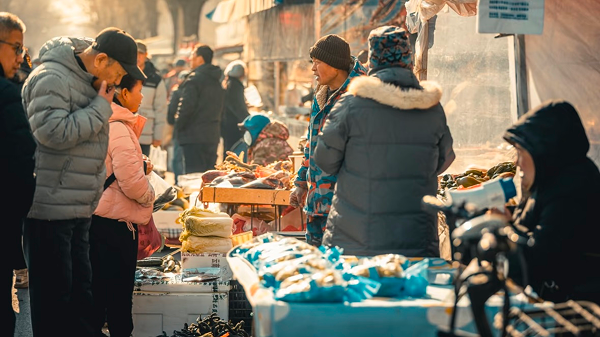
In the far northeast of China, between mountain and sea, lies Liaoning—a province of contrasts and connection. It’s where Shenyang’s imperial palaces whisper history, Dalian’s beaches sparkle under sunlight, and steaming bowls of Dongbei cuisine fill homes with warmth. Liaoning isn’t just a province—it’s a portrait of modern China in motion, rooted in resilience, steel, and four vivid seasons.
A Province Built on People
Liaoning is one of China’s most ethnically diverse provinces, ranking fifth in minority population. Five major ethnic groups have lived here for centuries: Manchu, Mongolian, Hui, Korean, and Xibe.
Among them, the Manchu and Xibe peoples define the province’s cultural heritage.

Manchu people: Over 5.3 million live here—more than half of China’s Manchu population. Their presence is still felt in the Shenyang Imperial Palace, ancient villages, and temple fairs.
Xibe people: About 133,000 live across Liaoning, preserving their language, archery, and New Year rituals.
This harmony of communities shapes Liaoning’s distinct character—northern toughness softened by a shared humanity.
From Industrial Power to Modern Connectivity
When the People’s Republic of China was founded, Liaoning became its industrial core—home to China’s first steel mills, shipyards, and rail engines.
Today, it remains one of the country’s most complete manufacturing bases.

Infrastructure Highlights:
- Railways: Over 3,900 km of active lines, the densest in Northeast China.
- Airports: International hubs in Shenyang and Dalian, connecting Liaoning to 200+ global routes.
- Ports: Dalian Port, one of China’s top coastal tourist attractions, links Liaoning to Japan, Korea, and beyond.
This mix of history and innovation fuels Liaoning tourism, where ancient palaces and modern skylines stand side by side.
Four Seasons, Four Personalities
Liaoning’s climate is a painter’s palette—every season brings a new mood.

- Spring: Crisp and breezy, perfect for park strolls in Shenyang.
- Summer: Humid and vibrant, when Dalian beaches brim with life.
- Autumn: Clear skies and golden fields in Panjin and Qianshan.
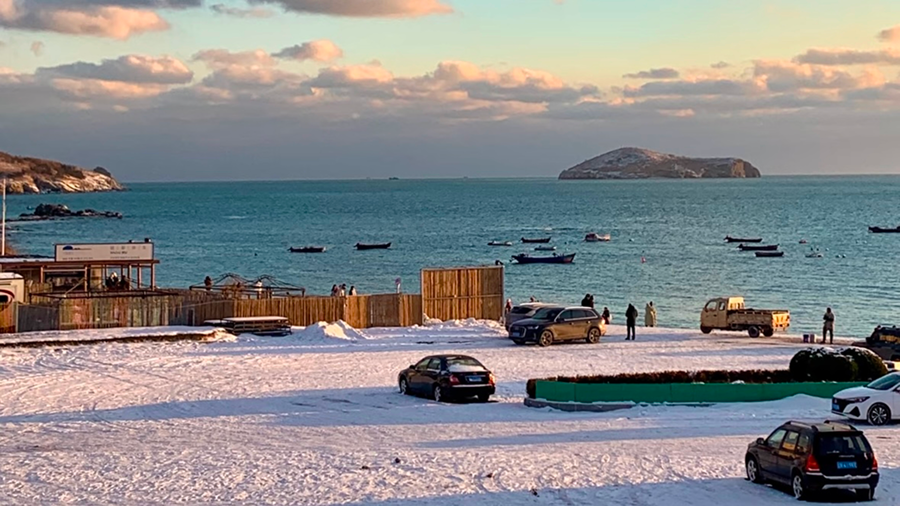
- Winter: Snow transforms the landscape into an ice-and-snow wonderland—perfect for skiing, hot springs, and hotpot.
Each season shapes a different Liaoning: lush rice paddies, flaming forests, and silver-white horizons.
Winter: The Real Local Personality Test
If you survive a Liaoning winter without complaining, congratulations — the locals will adopt you.
You can ski, soak in a hot spring, or just watch the fireworks of steam as people eat dumplings outdoors.
In some towns, ice sculptures line the streets like temporary art galleries; in others, frozen lakes turn into giant social clubs.
Someone will definitely hand you hot milk tea and say, “It’s not that cold,” while your eyelashes freeze.

Let’s Talk About the Food
If you love food (I love food!), Liaoning cuisine is a must.
Rooted in Dongbei cuisine, it blends northern comfort with coastal freshness.
- Shenyang favorites: Laobian Dumplings (老边饺子) – soft, juicy, 180 years of history.
- Li Liangui Smoked Pork (李连贵熏肉) – beechwood-smoked and aromatic.
- Four Seasons Cold Noodles (四季掸面) – sesame, chili, vinegar, perfection.

Manchu-style comfort food:
- That House’s Pork and Blood Sausage (那家白肉血肠)
- Yang Family Hanging Oven Cake (杨家吊炉饼) – crispy outside, tender within.
- Regional specialties like Panjin Rice, Beizhen Grapes, and Huanren Ice Wine showcase Liaoning’s agricultural pride.
Each dish tells a story of warmth in the cold—making Liaoning food a cultural experience, not just a meal.
Heritage and Harmony: From Shenyang to Dalian
For travelers following a Shenyang travel guide, start at the Shenyang Imperial Palace (沈阳故宫)—once home to Nurhaci and Huang Taiji, founders of the Qing Dynasty.
It’s smaller than Beijing’s Forbidden City, but equally rich in artistry and symbolism. Nearby, visit the Zhaoling and Fuling Tombs, UNESCO sites that trace the early Manchu empire.
Then, follow the rail south to Dalian, where coastal charm replaces imperial grandeur.

Top Dalian attractions include: Jinshitan Scenic Area (Golden Pebble Beach) – stone forests and seaside cliffs.
Bangchui Island – tranquil sands and early morning swims. Dalian Seafood Market – the freshest taste of the Bohai Sea.
Whether you’re chasing history or sea breeze, these Liaoning tourist attractions reveal a province of contrasts—steel and sea, faith and flavor.
The Heartbeat of the Northeast
From the factories of Anshan to the fishing harbors of Dalian, Liaoning reflects the spirit of Northeast China cuisine and culture—strong, practical, and heartfelt.
Here, the Manchu drum echoes beside machinery, and every table invites laughter and stories.
This is Liaoning tourism at its most human: warm, authentic, and full of life.
Why Travel with Bridge to Locals
At Bridge with Locals, we believe the best way to understand Liaoning isn’t from a guidebook—it’s through its people.

Join a Manchu family in Fushun to learn traditional winter dishes passed down through generations. Walk with a Xibe elder who shares stories of his ancestors’ journey from Heilongjiang to Xinjiang.
Visit a steelworker’s canteen in Shenyang to taste the flavors of a city that built modern China. Or simply sit by the frozen Hun River, sharing hot milk tea with a new friend while the snow falls quietly around you.
Liaoning’s warmth isn’t in its weather—it’s in its people.





Leave a comment
This site is protected by hCaptcha and the hCaptcha Privacy Policy and Terms of Service apply.