
By Sherry Fei | April 2026
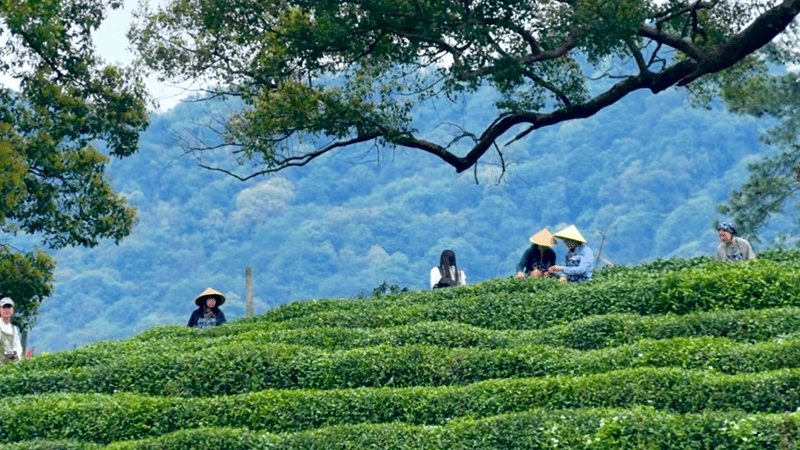
There is a moment in spring, somewhere in the hills of Hangzhou, when the air changes.
It becomes lighter. Fresher. Almost drinkable.
That’s when the tea season begins.
Across Zhejiang, tea plantations wake up all at once — hills turn into layers of soft green, and the scent of fresh leaves drifts quietly through the mountains. But if you’re looking for the heart of it all, it always leads back to one place:
Hangzhou.
This is where Longjing tea (Dragon Well tea) is born, and where Chinese tea culture is not just something you learn — it’s something you walk through, breathe in, and experience with all your senses.

Source: 小红书@几奥
Why Hangzhou Is the Best Place to Experience Chinese Tea Culture
When people search for China tea culture experience or Hangzhou tea culture, they’re often looking for more than just tea.
They’re looking for:
- A slower rhythm
- A connection to nature
- A way to understand daily life in China
In Hangzhou, tea is not a performance.
It’s part of everyday life.
You’ll see locals carrying fresh tea leaves, chatting in small courtyards, or simply sitting quietly with a cup of green tea — no ceremony required.

Source: 小红书@九酿圆潇Amara
1. Longjing Village: The Origin of Dragon Well Tea
If there’s one place that defines Hangzhou Longjing tea, it’s Longjing Village.
Surrounded by rolling hills covered in tea terraces, the village feels almost untouched by time.
What to expect:
- Endless layers of tea fields stretching across the mountains
- Traditional houses tucked between narrow paths
- The unmistakable aroma of fresh Longjing tea — slightly nutty, slightly sweet
Best time to visit:
Mid-March to early April — the peak of pre-Qingming tea harvest, when the most prized leaves are picked.

Source: 小红书@九酿圆潇Amara
A Classic Tea Walk Route
For a deeper experience, try this scenic walking route:
Longjing Village → Shili Langdang Trail → Mountain Crossroad → Meijiawu Village
This is one of the best Hangzhou tea plantation hiking routes, offering:
- panoramic tea field views
- quiet forest paths
- a gradual transition from famous spots to more local, peaceful villages

Source: 小红书@Andy_shan
2. Longwu Tea Village: The Hidden Tea Garden of Hangzhou
Less crowded but just as beautiful, Longwu is often called the “back garden” of Hangzhou’s tea culture.
Here, tea fields stretch endlessly — softer, quieter, and more immersive.
What makes it special:
- Large-scale tea plantations without heavy crowds
- Walking trails through tea hills
- Fresh air rich in negative ions (yes, you feel it)
You’ll also find:
- Reservoir views
- Forest trails
- Small tea houses where you can rest and drink freshly brewed tea
If Longjing Village is iconic, Longwu is where you go to slow down.

Source: 小红书@小熊打卡日记🐻
3. Jingshan Tea Area: Where Tea Meets Zen
For something more spiritual, head to Jingshan.
This region is known for:
- its misty tea mountains
- deep connection to Buddhist tea traditions
- quieter, more contemplative atmosphere
Here, tea culture blends with philosophy.
You can:
- walk through peaceful tea plantations
- visit tea museums and cultural spaces
- experience a different, more introspective side of Chinese tea culture
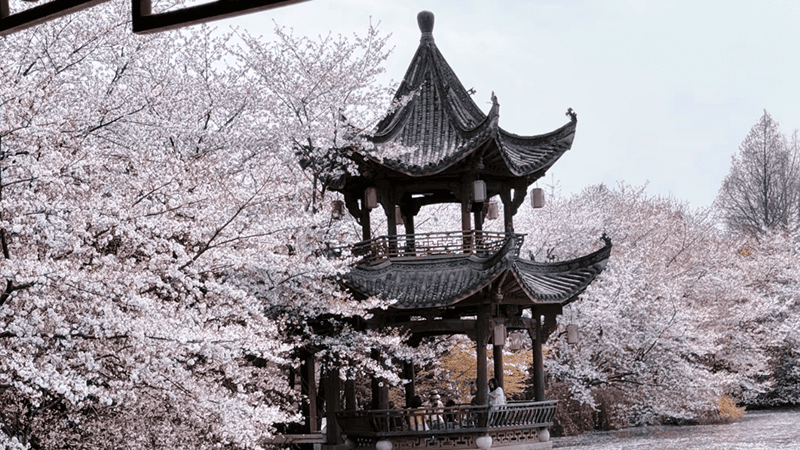
In spring, cherry blossoms also appear, adding a soft contrast to the green tea hills.

Source: 小红书@卷卷本卷
4. Beyond Hangzhou: Expanding Your China Tea Culture Journey
If you want to go deeper into China tea culture experience, there are several destinations worth exploring beyond Hangzhou:
Anji White Tea Plantations
- Known for Anji white tea
- Bamboo forests + tea fields combined
- Clean air and strong ecological environment
Songyang Tea Fields
- One of the largest ecological tea plantations in China
- Ideal for cycling and slow travel
- Immersive tea picking experiences available
Shengzhou Tea Villages
- Authentic rural tea culture
- Less commercialized
- A chance to observe real tea farming life
These places expand your understanding of how tea shapes different regions across China.

Source: 小红书@小pa闯世界的手账本
What Does a Real Tea Experience in Hangzhou Feel Like?
A true Hangzhou tea experience is not about watching.
It’s about participating.
- Picking fresh leaves in the morning
- Learning how tea is processed
- Sitting down with locals to brew tea slowly
- Talking, or not talking at all
Tea, here, is not rushed.
And neither are you.

Source: 小红书@咬强爱拍照📸
A Local Way to Experience Tea Culture in Hangzhou
If you want something more personal than just visiting tea plantations, you can experience tea the way locals do:
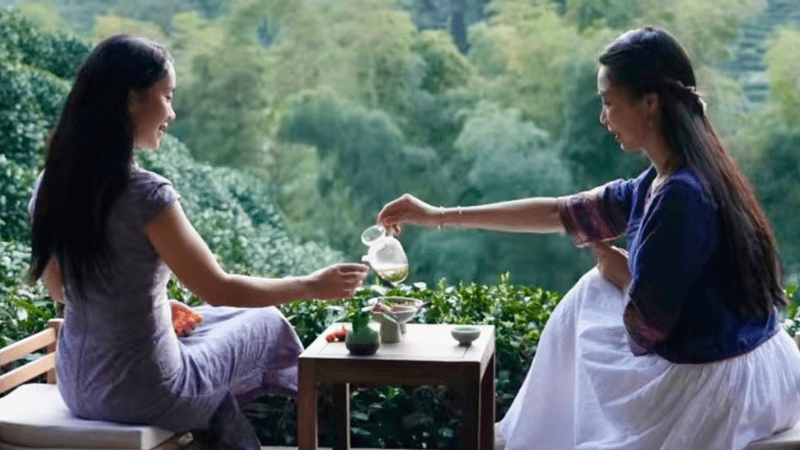
At Hangzhou: Have an afternoon tea with a local – Boil tea above the stove
Instead of a formal tea ceremony, this experience focuses on:
- slow conversations
- traditional tea brewing over a stove
- understanding tea as part of everyday life
It’s less about performance — more about presence.

Source: 小红书@小熊打卡日记🐻
When Is the Best Time for a Hangzhou Tea Culture Trip?
Peak season:
- Mid-March to early April
- Fresh tea harvest begins
- Best time for Longjing tea experience
Late spring (April–May):
- Warmer weather
- More greenery
- Less harvest activity, but better for relaxed travel

Source: 小红书@小熊打卡日记🐻
Travel Tips for Visiting Hangzhou Tea Plantations
- Go early in the day for softer light and fewer crowds
- Wear comfortable shoes — tea fields involve walking
- Don’t rush between locations — pick 1–2 areas per day
- Try tea in small local shops instead of tourist stores

Source: 小红书@阿翔翔翔翔
Final Thoughts
Every cup of spring tea carries something invisible.
The air of the mountains.
The rhythm of the season.
The quiet work of the people who picked it.
In Hangzhou, you don’t just drink tea.
You step into the landscape that creates it.

Source: 小红书@Andy_shan
FAQ: Hangzhou Tea Culture & Longjing Tea Experience
What is Longjing tea?
Longjing (Dragon Well) tea is one of China’s most famous green teas, known for its flat leaves and fresh, nutty flavor.
Where to experience Hangzhou tea culture?
Top places include Longjing Village, Longwu Tea Area, and Jingshan tea plantations.
When is the best time to visit tea plantations in Hangzhou?
Spring (March–April) during the tea harvest season.
Can tourists pick tea leaves in Hangzhou?
Yes, many tea plantations offer seasonal tea picking experiences.
What is a typical China tea culture experience?
It includes visiting tea fields, learning tea processing, and drinking tea with locals in a relaxed setting.





Leave a comment
This site is protected by hCaptcha and the hCaptcha Privacy Policy and Terms of Service apply.