
By Joanne Sun | October 2026
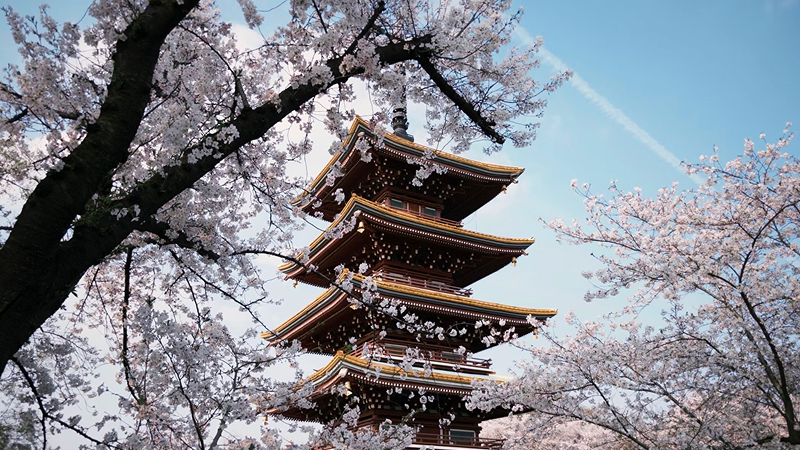
Many travelers associate cherry blossoms with Japan, but China has its own spectacular spring blossom season. From lakeside parks and historic campuses to night-viewing festivals and mountain gardens, cherry blossoms in China offer a softer, more unexpected side of the country. If you have ever searched “does China have cherry blossoms,” the answer is yes, and in some cities, cherry blossom trees are among the most celebrated signs of spring.
In China, blossom viewing is not only about flowers. It is about walking under pale pink branches with local families, taking photos by old pavilions, eating seasonal desserts, and watching a modern city pause for something brief and beautiful. For international travelers, it
is also a gentle way to understand local life beyond major landmarks.

Source: 小红书@DKSIGHT
Cherry Blossom Meaning and Symbolism
The cherry blossom meaning is closely tied to spring, renewal, beauty, and impermanence. A cherry blossom tree blooms for only a short time, which is why cherry blossom symbolism often points to the fleeting nature of life. In Japan, the tradition of celebrating spring cherry blossoms is centuries old, and the flowers are strongly connected with the idea of hanami, or flower viewing.
In China, the cherry blossom aesthetic feels slightly different. It is less formalized than in Japan and often blends into broader spring culture: park walks, university visits, family outings, photography, food stalls, and local festivals. The mood is lively but still poetic. The flowers may be Japanese in origin in some parks, but the experience is very Chinese: social, urban, relaxed, and full of small everyday details.

Source: 小红书@DKSIGHT
Best Places to See Cherry Blossoms in China
Wuhan: East Lake and Wuhan University
Wuhan is one of the most famous cherry blossom cities in China. Wuhan University is known for its historic architecture and romantic blossom-lined campus, though access rules can change during peak season. For most travelers, East Lake Cherry Blossom Garden is the easier and more reliable choice. The garden has more than 10,000 cherry trees and over 60 species, making it one of the major cherry blossom spots in the country.
Visit Wuhan if you want grand blossom scenery with water, bridges, and a strong spring festival atmosphere. The best time is usually mid to late March, but always check local bloom updates before planning.

Source: 小红书@易玫盒蛋
Wuxi: Yuantouzhu on Taihu Lake
Wuxi is one of the best answers to the question “what are the most popular cherry blossom trees and viewing spots in China?” Yuantouzhu Scenic Area on Taihu Lake is famous for its huge cherry blossom landscape, with more than 30,000 cherry trees and around 100 varieties.
This is one of the most photogenic places for cherry blossoms in China. The classic scene is simple but unforgettable: pale blossoms, old-style pavilions, arched bridges, lake reflections, and evening lights. It is also a strong choice for travelers who want the full cherry blossom aesthetic without leaving eastern China.

Source: 小红书@PYphoto
Shanghai: Gucun Park
Shanghai may be known for skyscrapers, but in spring, Gucun Park becomes one of the city’s biggest blossom destinations. The Shanghai Cherry Blossom Festival at Gucun Park has expanded to more than 16,000 cherry blossom trees across 120 varieties, with nighttime viewing added in recent years.
Shanghai is ideal for travelers who want an easy city break: blossoms in the morning, cafes in the afternoon, and skyline views at night. Gucun Park is also one of the better places to find cherry blossom-themed food. During the festival, official Shanghai tourism coverage has highlighted pink desserts, cherry blossom afternoon tea, and floral-themed dining experiences inside the park.

Source: 小红书@花都在逃干饭公主
Beijing: Yuyuantan Park
Beijing’s Yuyuantan Park is a classic northern China cherry blossom destination. The park has nearly 3,000 cherry blossom trees and more than 40 varieties, creating a long bloom window and several different viewing areas.
This is a good choice if you are already visiting Beijing for the Forbidden City, hutongs, and the Great Wall. A spring itinerary can easily add Yuyuantan as a slower, softer morning before returning to the city’s heavier historic sites.

Source: 小红书@李咏遥
Kunming: Yuantong Mountain
Kunming, often called the Spring City, offers an earlier blossom season than many northern destinations. At Yuantong Mountain and Kunming Zoo, cherry blossoms and crabapple flowers usually peak from late February to late March, giving travelers a head start on spring.
Choose Kunming if you prefer mild weather, early flowers, and a more relaxed southwestern pace. It also pairs well with longer Yunnan routes.

Source: 小红书@将将好的江江
Qingdao: Zhongshan Park
Qingdao’s Zhongshan Park is another well-known cherry blossom spot, especially for travelers who like coastal cities. The park is famous for its cherry blossom festival and long blossom avenues, usually blooming later than cities such as Wuxi or Wuhan.
Qingdao works well for a spring route that combines flowers, sea air, old European-style streets, seafood, and beer culture.

Source: 小红书@饼饼爱睡觉
Cherry Blossom Facts for Travelers
A cherry blossom tree is usually an ornamental cherry, grown for flowers rather than fruit. Some cherry blossom trees may produce small cherries, but many ornamental varieties produce little or no edible fruit. That is why the answer to “do cherry blossom tree grow cherries” is: sometimes, but not the sweet supermarket cherries most people imagine.
There are many types of cherry blossom trees. Popular varieties include Yoshino, often pale pink or nearly white; Kwanzan, known for richer double blossoms; and weeping cherry tree varieties with graceful falling branches. Travelers may also see a white cherry blossom tree, a pink weeping cherry tree, or a weeping cherry blossom tree in parks and gardens. Smaller garden forms, such as a dwarf cherry blossom tree or dwarf weeping cherry tree, are more common in landscaping than in large public blossom parks.
Full bloom is brief. A tree can look perfect for only a few days, and weather can change the timing quickly. For the best photos, go early in the morning on a weekday, avoid touching branches, and remember that the real scene is often more beautiful than any cherry blossom tree drawing or Lego cherry blossom tree display.

Source: 小红书@TNGrandom
Suggested Cherry Blossom Travel Routes in China
For a classic first trip, choose Shanghai and Wuxi. Spend one or two days in Shanghai, visit Gucun Park, then take a short train trip to Wuxi for Yuantouzhu. This route is easy, efficient, and visually strong.
For a deeper spring route, choose Wuhan and Beijing. Start with East Lake in Wuhan, then continue north to Beijing for Yuyuantan Park and major cultural sites.
For an early-season soft spring route, choose Kunming. Add Yuantong Mountain, local markets, tea culture, and a longer Yunnan itinerary if you have time.
Bridge to Locals can help turn these routes into something more personal. Instead of only moving from one park to another, travelers can walk with a local companion, learn how locals actually spend spring weekends, try seasonal snacks, ask cultural questions, and understand the stories behind the flowers.

Source: 小红书@TNGrandom
China and Japan: Same Blossoms, Different Feeling
Japan’s cherry blossom season is more internationally famous, with forecast maps, hanami picnics, and a deeply rooted seasonal ritual. China’s cherry blossom season is more varied. It can feel like a romantic university walk in Wuhan, a lake-and-pavilion scene in Wuxi, a family festival in Shanghai, a park morning in Beijing, or an early spring escape in Kunming.
The difference is not about which country is better for cherry blossoms. It is about mood. Japan often frames sakura as a national seasonal symbol. China offers cherry blossoms as part of a larger travel experience: food, cities, campuses, local parks, night lights, and regional culture.

Source: 小红书@DKSIGHT
Final Thoughts
Cherry blossoms in China are still a surprise for many foreign travelers, which is exactly why they are worth seeing. They show a softer side of Chinese cities: a morning crowd under white cherry blossom tree branches, a child taking photos of petals, a couple walking below a weeping cherry tree, a cafe selling pink spring desserts, and a lake turning pale with reflections. For travelers looking for beauty, culture, and a seasonal reason to slow down, cherry blossom season in China is one of the most memorable ways to begin.

Source: 小红书@易玫盒蛋
Related Bridge to Locals Blogs and Experiences
Cherry blossoms are a beautiful reason to visit China, but they are only one doorway into local life. On the Bridge to Locals website, travelers can continue planning with related blogs and experiences below such as a China Spring Travel Guide, Shanghai City Walks, Chengdu Nightlife Walk, Mahjong Experience, Temple Meditation Experience, China Night Markets Guide, and local-led cultural routes designed for visitors who want more than standard sightseeing.
Bridge to Locals connects international travelers with local companions rather than conventional tour guides. That means your spring trip can include flowers, food, conversation, neighborhood stories, and the kind of small cultural details that rarely appear on a checklist.
- Beijing Hutong nightlife with local drinking tour
- Beijing Nightlife: Explore vintage movie-themed bars and hutongs
- Yangmeizhu Hutong Old Beijing Culture and Handicraft Tour
- Shanghai Nightlife: TCM Cocktails
- Chinese character meditation experience at Shanghai Jade Buddha Temple
- Hangzhou Food Tour: Local Bazaar and Street Food Walking Tour
- Chinese Food Philosophy in Hangzhou: A Zen Food Journey
- Hangzhou nightlife tour: bars, cocktails, beer and night markets
- Tea varieties in Hangzhou: DIY kombucha, Longjing tea, matcha
- Enjoy Hangzhou like an aristocrat: West Lake cruise, tea tasting, painting
- Wuhan Breakfast Walk: Markets, street food, and specialty coffee
- Chengdu Nightlife: Explore hidden bars with local friends






Leave a comment
This site is protected by hCaptcha and the hCaptcha Privacy Policy and Terms of Service apply.