

By Sherry Fei | January 2026
Chinese New Year, also known as the Lunar New Year, is the most important traditional festival in Chinese culture. More than a celebration, it is a complete system of customs shaped by thousands of years of history, belief, and collective memory. At its heart lie themes of farewell and renewal, gratitude and hope, family and belonging.
From the final days of the lunar year to the Lantern Festival on the fifteenth day of the new year, Chinese New Year traditions weave together rituals, food, ceremonies, and joyful gatherings that continue to define how people welcome a new beginning.
Today, Chinese New Year traditions are practiced not only in China but also by Chinese communities around the world, making it one of the most widely celebrated cultural events globally.

Source: http://xhslink.com/o/70I7le8fOl1
Origins of Chinese New Year Traditions
The roots of Chinese New Year traditions can be traced back over four thousand years to early agricultural societies. Ancient people held year-end ceremonies to thank nature, honor ancestors, and pray for good harvests in the coming year. Over time, these rituals evolved into a structured festival centered on renewal, harmony, and continuity.
One popular legend tells of a mythical beast called Nian that appeared at the end of each year. People discovered it feared loud noises, bright lights, and the color red. Firecrackers, lanterns, and red decorations gradually became symbolic tools to drive away misfortune and invite good luck.
As dynasties rose and fell, Confucian ethics shaped ancestor worship and family hierarchy, while Buddhist and Daoist elements enriched temple fairs, lantern festivals, and spiritual rituals. By the imperial era, Chinese New Year had become a complete system integrating belief, ethics, food, and entertainment.

Source: http://xhslink.com/o/50ds5ZXWMLr
The Timeline of Lunar New Year Traditions
Chinese New Year is not a single day but a season that usually lasts from late lunar December to the fifteenth day of the first lunar month.
Preparations Before New Year
In the weeks leading up to the New Year, families clean their homes thoroughly. This ritual, often called sweeping away the dust, symbolizes removing bad luck and making space for new blessings. People buy new clothes, stock up on food, and prepare gifts.
Offerings are made to household deities, especially the Kitchen God, who is believed to report a family’s behavior to heaven. Doors and windows are decorated with red couplets, paper cuttings, and lanterns, all expressing wishes for happiness, prosperity, and protection.

Source: http://xhslink.com/o/2RDTZjxvXwE
New Year’s Eve and Family Reunion Dinner
The most important moment of the festival is New Year’s Eve. Families gather for a reunion dinner, even traveling long distances to be together. This meal represents unity and continuity across generations.
Traditional Chinese New Year food is chosen for its symbolism. Fish represents abundance, dumplings resemble ancient gold ingots, and sticky rice cakes symbolize progress and growth. This dinner is not only about eating but about reaffirming family bonds.
After the meal, many families stay up late to welcome the New Year, a custom that reflects respect for time and life’s cycles.

Source: the author
Celebrations During the New Year Period
The first days of the New Year are filled with visits, greetings, and blessings. People dress in new clothes, offer good wishes, and exchange red envelopes containing money. The red envelope tradition symbolizes protection, luck, and care passed from elders to the younger generation.
Firecrackers and fireworks mark new beginnings, while temple fairs and community gatherings create a lively atmosphere. On different days, people honor ancestors, welcome the God of Wealth, and visit relatives, each action following long-established customs.
The festival concludes with the Lantern Festival, when lanterns light the night sky, riddles are solved, and round rice balls are eaten to symbolize completeness and harmony.

Source: http://xhslink.com/o/5re34bTlg0u
Regional Customs and Cultural Diversity
Chinese New Year customs vary widely across regions. In northern areas, dumplings are central to New Year meals, while southern regions favor rice cakes and fish dishes. Some communities hold large temple fairs, while others emphasize family rituals at home.
Ethnic minority groups also preserve distinctive traditions. Some perform ritual dances to ward off evil, others create spectacular fire displays using molten iron, and some practice symbolic ceremonies involving water, trees, or seasonal blessings. These customs highlight the diversity and creativity within Lunar New Year traditions.

Source: http://xhslink.com/o/58dsqKxLbjm
Chinese New Year Food Traditions and Lucky Foods
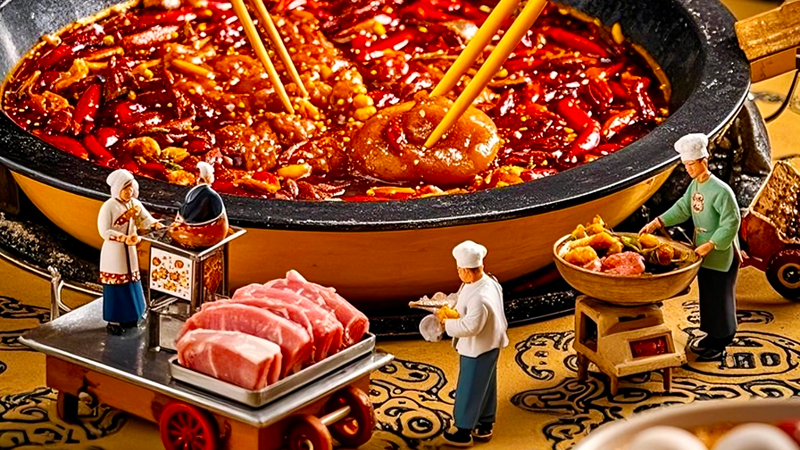
Food plays a central role in Chinese New Year celebration traditions. Every dish carries meaning. Long noodles symbolize longevity, spring rolls represent wealth, and sweet rice balls express unity. These lucky foods are not only eaten for taste but for the hopes they carry into the New Year.
The emphasis on sharing food reinforces the idea that prosperity and happiness are best enjoyed together.
If you would like to explore Chinese New Year food in greater depth, you can read our other article Unlock the Secrets of Chinese New Year Food: 10 Dishes You Must Try for Good Luck and Prosperity! , which offers a more detailed introduction to traditional dishes, desserts, and food symbolism.

Source: http://xhslink.com/o/useuqnEthp
Chinese New Year in the Modern World
Today, Chinese New Year traditions continue to evolve. Fireworks may be limited in cities, digital red envelopes are common, and celebrations are shared online. Yet the core values remain unchanged: family, gratitude, renewal, and connection.
Across Asia, Europe, and the Americas, overseas Chinese communities celebrate Lunar New Year as a way to maintain cultural identity and pass traditions to younger generations. The festival has become a bridge between cultures, inviting the world to experience its warmth and symbolism.

Source: http://xhslink.com/o/3L7L7u7M5Kv
Why Chinese New Year Traditions Still Matter
Chinese New Year is not simply about rituals or decorations. It is about how people understand time, family, and belonging. These traditions teach respect for the past, responsibility in the present, and hope for the future.
In a fast-changing world, Lunar New Year traditions continue to offer a moment to pause, reunite, and begin again with intention. That is why, year after year, they remain deeply meaningful to millions around the globe.
Experience Chinese New Year Traditions with Locals
Reading about Chinese New Year traditions explains their meaning—but experiencing them reveals their soul. If you want to understand how people truly celebrate Lunar New Year, the table, the rituals, and the stories behind them matter most.
At Bridge to Locals, we connect you with local hosts who invite you into real Chinese New Year experiences—from family reunion dinners to traditional food rituals and seasonal customs. Instead of observing from the outside, you celebrate from within, guided by those who live these traditions every year.
Step into the New Year the local way.






Leave a comment
This site is protected by hCaptcha and the hCaptcha Privacy Policy and Terms of Service apply.