
By Sherry Fei | June 2026
Few places reveal China’s historical imagination more clearly than its palaces.
Massive gates. Endless courtyards. Golden roofs glowing through winter haze. Lakes designed to reflect mountains like paintings. Every wall, stair, and roofline built to express hierarchy, power, and cosmic order.
For travelers interested in Chinese palace architecture, these places are not simply museums. They are entire political worlds turned into physical space.
And despite centuries passing, many still feel strangely alive.
Here are some of the most important and fascinating Chinese palaces travelers can visit today — from Beijing’s imperial centers to mountain retreat palaces and hidden royal gardens.

Source: 小红书@渡览行
The Forbidden City, Beijing — The Center of Imperial China
If there is one Chinese imperial palace everyone recognizes, it is the Forbidden City.
For nearly 500 years, emperors of the Ming and Qing dynasties ruled China from here. The palace complex sits at the exact symbolic center of Beijing, built along a strict north-south axis designed to reflect cosmic and political order.
Today, it remains one of the most visited and important examples of ancient Chinese palaces in the world.
What makes it special:
* Nearly 1,000 surviving buildings
* Massive ceremonial courtyards
* Layered gates controlling movement and hierarchy
* Yellow glazed roofs reserved for imperial authority
The scale can feel overwhelming at first. But the details matter just as much:
stone carvings, hidden side courtyards, painted beams, throne rooms filled with symbolism.
Travel tips:
* Arrive early in the morning
* Avoid Chinese public holidays if possible
* Wear comfortable shoes — distances are enormous
Nearby experiences:
After visiting the palace, many travelers continue exploring Beijing through hutong neighborhoods, food streets, and nightlife routes nearby.
At Bridge to Locals, our Beijing experiences focus on helping travelers connect imperial landmarks with the everyday life still surrounding them today. You can find them at the end of this blog.

Source: 小红书@兜兜
Summer Palace, Beijing — Where Emperors Escaped the City
If the Forbidden City represents authority, the Summer Palace Beijing represents escape.
Built around Kunming Lake and Longevity Hill, the Summer Palace was designed as a retreat from political pressure — a place where emperors and empresses could experience idealized nature without truly leaving the capital.
It is one of the finest examples of Chinese palace architecture blending:
* gardens
* lakes
* temples
* corridors
* pavilions
* artificial landscapes
The entire complex feels softer and more poetic than the Forbidden City.
What to notice:
* The Long Corridor painted with thousands of scenes
* Marble Boat symbolism
* Reflections across Kunming Lake
* The balance between architecture and landscape
Best season:
Autumn is especially beautiful, though spring mornings are also excellent.
Food nearby:
The surrounding Beijing area offers traditional northern dishes, tea houses, and seasonal snacks perfect after long walks through the palace grounds.

Source: 小红书@爱拍照爱旅行的玉娇龙
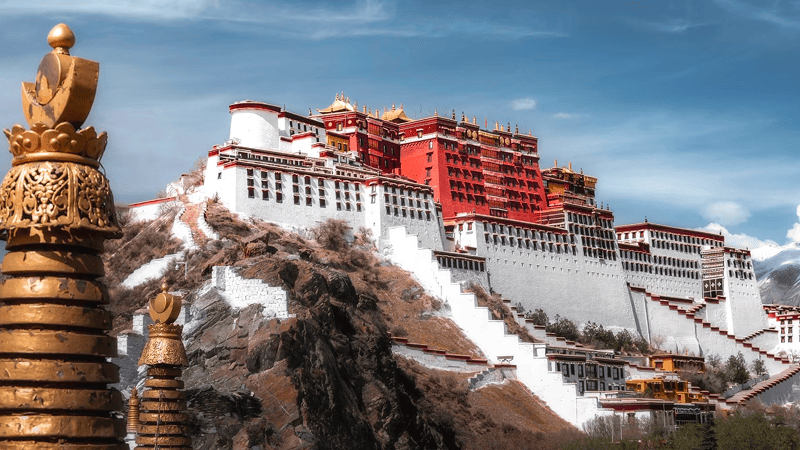
Potala Palace, Tibet — The Mountain Palace Above the Clouds
Among all palaces in China, the Potala Palace may feel the most visually dramatic.
Rising high above Lhasa, the palace once served as the winter residence of the Dalai Lama and remains one of the world’s most recognizable examples of Tibetan Buddhist architecture.
Unlike Beijing’s symmetrical imperial palaces, the Potala feels vertical, spiritual, and deeply connected to the mountain itself.
What makes it unique:
* Massive red-and-white layered structure
* Religious murals and prayer halls
* Thin mountain air and incredible panoramic views
Travel note:
Altitude adjustment is important. Move slowly during your first days in Tibet.

Source: 小红书@三石記photography
Mukden Palace, Shenyang — The Palace Before Beijing
Less internationally famous but historically important, Mukden Palace in Shenyang was the early palace of the Qing rulers before they fully controlled China and moved to Beijing.
It combines:
* Manchu cultural elements
* early Qing imperial design
* northern frontier aesthetics
For travelers interested in how Chinese ancient palace design evolved, this site is fascinating because it feels more compact and regional than Beijing’s enormous complexes.

Source: 小红书@andy_cqs
Prince Gong’s Mansion, Beijing — The Palace of Power Behind the Throne
Not all Chinese palaces belonged to emperors.
Prince Gong’s Mansion is one of the best-preserved aristocratic residences in Beijing and offers a more intimate version of elite Qing dynasty life.
Compared to imperial complexes, this site feels:
* quieter
* more residential
* more human in scale
The gardens here are especially beautiful and reveal how elite architecture was designed for both status and leisure.

Source: 小红书@王怀恩漫游人间
Why Chinese Palace Architecture Feels Different
Travelers often notice that Chinese palace architecture feels very different from European castles or palaces.
That is because Chinese imperial design focuses less on vertical domination and more on:
* symmetry
* processional movement
* sequence
* balance
* ritual space
Power here is expressed through controlled movement and spatial layering.
You pass through gate after gate, courtyard after courtyard, gradually moving toward the symbolic center.
The experience is meant to unfold slowly.

Source: 小红书@我是李开心呀📷
Beyond the Buildings: Food, Gardens, and Daily Life
The best palace visits usually include more than architecture.
Near many palace areas, travelers can also experience:
* traditional tea culture
* Beijing snacks and noodles
* hutong neighborhoods
* calligraphy shops
* local parks and markets
That contrast — imperial history beside ordinary daily life — is what makes modern China especially interesting.

Source: 小红书@Cathy
Practical Tips for Visiting Chinese Palaces
Go Early
Crowds grow quickly, especially in Beijing.
Avoid Peak Holiday Periods
National holidays dramatically increase visitor numbers.
Don’t Rush
The most interesting details are often in side courtyards, corridors, and transitions between spaces.
Combine with Neighborhood Exploration
Palaces make more sense when experienced together with the cities around them.

Source: 小红书@Riverleee
Experience China Beyond the Palace Gates
The great palaces of China show how emperors imagined power, beauty, and order.
But modern China becomes most interesting when travelers move beyond monumental architecture into real neighborhoods, food streets, tea houses, nightlife, and everyday city life.
At Bridge to Locals, we create experiences that connect famous landmarks with local culture from Beijing hutong nightlife and Hangzhou tea experiences to Shanghai meditation spaces, food walks, and hidden city routes.
Explore our city blogs and local experiences below across Beijing, Shanghai, Hangzhou, Chengdu, Wuhan, Chongqing and beyond — and experience the living side of China surrounding its ancient palaces.
- Beijing Hutong nightlife with local drinking tour
- Beijing Nightlife: Explore vintage movie-themed bars and hutongs
- Yangmeizhu Hutong Old Beijing Culture and Handicraft Tour
- Shanghai Nightlife: TCM Cocktails
- Chinese character meditation experience at Shanghai Jade Buddha Temple
- Hangzhou Food Tour: Local Bazaar and Street Food Walking Tour
- Chinese Food Philosophy in Hangzhou: A Zen Food Journey
- Hangzhou nightlife tour: bars, cocktails, beer and night markets
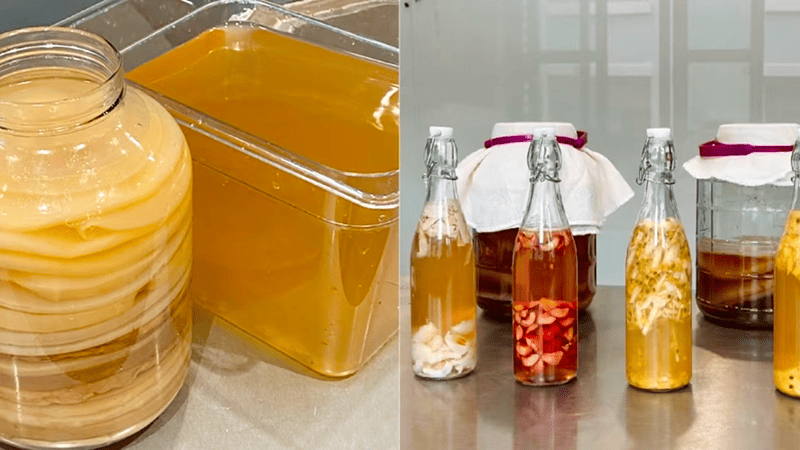
- Tea varieties in Hangzhou: DIY kombucha, Longjing tea, matcha
- Enjoy Hangzhou like an aristocrat: West Lake cruise, tea tasting, painting
- Wuhan Breakfast Walk: Markets, street food, and specialty coffee
- Chengdu Nightlife: Explore hidden bars with local friends






Leave a comment
This site is protected by hCaptcha and the hCaptcha Privacy Policy and Terms of Service apply.