
By Sherry Fei | February 2026
Chinese New Year in Wuhan feels different from many northern Chinese cities. While winter is still present, the city quietly shifts toward spring. Plum blossoms begin to open, riverside walks grow livelier, and night festivals unfold at a slower, more spacious rhythm.
Instead of concentrating all celebrations into a single district, Wuhan spreads its Spring Festival energy across parks, riverbanks, cultural zones, and neighborhoods. This makes it easier to explore at your own pace—combining daytime nature, evening light shows, and indoor cultural experiences without constant crowd pressure.
For travelers who prefer layered experiences over headline attractions, Wuhan offers a balanced and immersive holiday atmosphere.

Source: http://xhslink.com/o/2ByEXy3ADPv
Heritage Fire Performances and Folk Traditions
Molten Iron Flower and Fire Ritual Shows
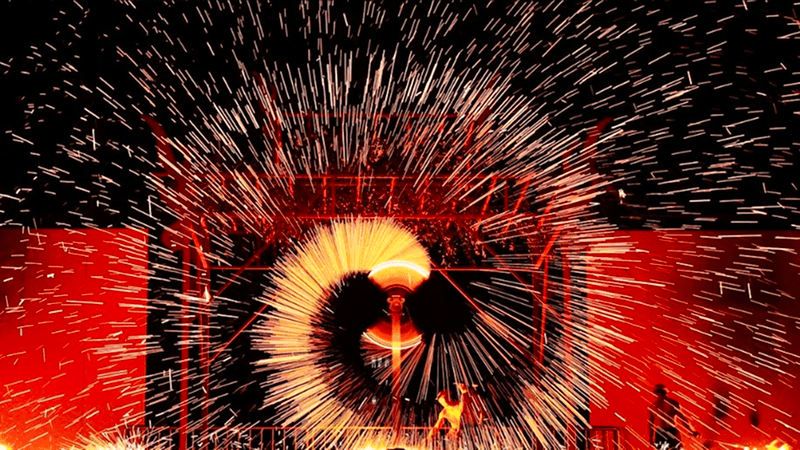
One of the most striking elements of Wuhan’s Spring Festival celebrations is the presence of traditional fire performances. Molten iron flower shows—where heated iron is cast into the air to create explosive sparks—are deeply rooted in Chinese folk heritage.
These performances usually take place in designated cultural areas with controlled viewing zones, allowing visitors to safely witness the intensity and craftsmanship behind the tradition. The contrast between winter night air and blazing fire creates unforgettable visual impact.

Source: http://xhslink.com/o/6Z6tymL5rQ3
Fire Dragon Dances and Folk Demonstrations
Fire dragon dances and other fire-based folk rituals add movement and rhythm to the festival nights. Performers move through sparks and flames with precision, turning ancient traditions into living performance art.
Unlike large stadium-style shows, many of these performances happen at close range, creating a strong sense of participation rather than passive viewing.

Source: http://xhslink.com/o/9zgEhry5DR7
Music, Comedy, and Live Performances
The Spring Festival season also features concerts, traditional music performances, and comedy shows. Local dialect performances and folk storytelling give insight into Wuhan’s cultural identity beyond visual attractions.
These indoor events are ideal for evenings when temperatures drop or when you want a more relaxed cultural experience.

Source: http://xhslink.com/o/AbvMTMaJPH2
Lantern Festivals and Night Light Experiences in Wuhan
Riverside Lantern Routes Along the Yangtze River
During the Spring Festival period, multiple sections of Wuhan’s riverbanks are transformed into extended lantern routes. These are not short displays but long, walkable stretches combining illuminated installations, themed lantern groups, and interactive light scenes.
What makes these routes special is the setting. Lanterns are framed by iconic Wuhan landmarks across the river, bridges glowing in the background, and reflections shimmering on the water. Evening walks here feel cinematic rather than crowded, ideal for photography and slow exploration.

Source: http://xhslink.com/o/15czt0qQECN
Themed Lantern Exhibitions in Parks and Cultural Zones
Beyond the river, large-scale lantern exhibitions appear in urban parks and cultural venues. Many displays draw inspiration from classical Chinese literature, mythology, and folk symbols, turning lantern viewing into a narrative experience rather than a simple visual spectacle.
Visitors move through themed zones instead of static rows of lights, making these exhibitions especially engaging for families and travelers interested in storytelling and traditional aesthetics.

Source: http://xhslink.com/o/6fat6YOKcv2
Museums, Markets, and Indoor Cultural Experiences
Chinese New Year in Wuhan is also a time when museums and galleries launch special exhibitions. From city history showcases to themed art displays, these exhibitions provide context and cultural depth between outdoor activities.
Traditional flower markets and local food markets remain active throughout the holiday, offering everyday glimpses into how residents prepare for and celebrate the New Year. Simple experiences—buying seasonal flowers or sampling local snacks—often become the most memorable moments.

Source: http://xhslink.com/o/9w948dChfqY
Seasonal Flowers and Early Spring Landscapes
Plum Blossom Season: Winter Turning to Spring
Wuhan is known for its early plum blossom season. From late January through February, tens of thousands of plum trees bloom across the city, signaling the gradual arrival of spring.
Major plum viewing areas include dedicated gardens and scenic valleys where pink and white blossoms spread across hillsides. The contrast between blossoms and lingering winter air creates a uniquely poetic atmosphere, especially during the Chinese New Year period.

Source: http://xhslink.com/o/hBVHP4bwv8
Indoor Flower Exhibitions and Botanical Gardens
For colder days, Wuhan’s botanical gardens offer indoor flower exhibitions featuring orchids and tropical plants. These warm, greenhouse spaces allow visitors to step directly into spring, surrounded by color and fragrance.
Such exhibitions are particularly appealing for travelers looking to balance outdoor sightseeing with comfortable indoor stops.

Source: http://xhslink.com/o/3W63SmNvFE6
Practical Travel Tips for Chinese New Year in Wuhan
- Best visiting times: Late afternoon for flower viewing, early evening for lantern routes
- Crowd management: Weekday visits are calmer than weekends during the holiday
- Weather preparation: Expect cool temperatures; layered clothing is recommended
- Planning advice: Combine one outdoor highlight with one indoor activity each day

Source: http://xhslink.com/o/HoW2WhlLsc
Ready to Experience Wuhan This Chinese New Year?
From glowing lanterns along the Yangtze River to winter blossoms tucked inside historic gardens, Wuhan comes alive during the Spring Festival in ways few cities can offer. But beyond the festivals, performances, and seasonal food, what truly defines the New Year here is how the city is lived — by the people who call it home.
At Bridge to Locals, we believe the best way to understand a city is to experience it with locals, not just observe it. If you’d like to experience Wuhan beyond sightseeing, we recommend starting your day the way locals do. Our Wuhan’s Breakfast: Explore the Local Market with Best Snacks experience takes you into traditional morning markets, where hot dry noodles, fried dough, rice cakes, and soy milk are part of everyday life — not performances, but habits. It’s a simple, delicious way to understand the city from the ground up.
Click to book a Wuhan breakfast experience on GetYourGuide👇

For those who want to slow down and truly live the city, Explore & Live a Wuhan Neighborhood with a Local Resident offers a deeper connection. Walk through residential streets, learn how communities function, and see how Wuhan people spend an ordinary day — the kind of experience that turns a destination into a memory.
As spring approaches, Wuhan reveals another side of itself. From plum blossoms and magnolias to riverside greenery, our blog Spring in Wuhan shares seasonal landscapes, walking ideas, and local tips that pair perfectly with a post–Spring Festival visit.
You can also browse our full collection of Wuhan travel stories and guides, covering neighborhoods, culture, food, and slow travel inspiration — all written to help you understand Wuhan as locals experience it.
At Bridge to Locals, we’re not just showing you places. We’re building a bridge between travelers and the everyday life of the city. Whether it’s through breakfast tables, neighborhood walks, or seasonal stories, your Wuhan journey can go deeper — and feel more real.







Leave a comment
This site is protected by hCaptcha and the hCaptcha Privacy Policy and Terms of Service apply.