
By Sherry Fei | January 2026
Hangzhou has been praised for centuries as one of the most beautiful cities in China. Ancient poets once said that heaven above has paradise, and earth below has Hangzhou. What gives the city its lasting charm is not only its scenery, but the way nature, history, and daily life quietly intertwine.
Here, lakes mirror passing clouds, tea hills roll gently toward the horizon, and temples sit peacefully beside bustling streets. Whether you are planning a short city break or building a longer Hangzhou itinerary, the city offers a rich variety of attractions that unfold gently rather than overwhelm. Walking here feels intentional. Water reflects stories. Even silence carries meaning.
This Hangzhou travel guide introduces the city’s most essential attractions while offering insight into when to visit, how to explore, and where meaningful local experiences can deepen your journey.

Source: http://xhslink.com/o/9vnsB3pI9BX
West Lake: The Heart of Hangzhou
No list of Hangzhou attractions is complete without West Lake. Recognized as a UNESCO World Heritage Site, West Lake is not just a scenic spot but a living landscape shaped by centuries of aesthetics, philosophy, and daily life.
A classic way to experience West Lake is to follow its traditional route: from Broken Bridge in early morning light, along Bai Causeway to Solitary Hill, passing Autumn Moon Over the Calm Lake, continuing onto Su Causeway, and ending at Flower Harbor Watching Fish with Leifeng Pagoda rising in the distance. Each section offers a distinct mood, changing with the seasons and the hour of day.
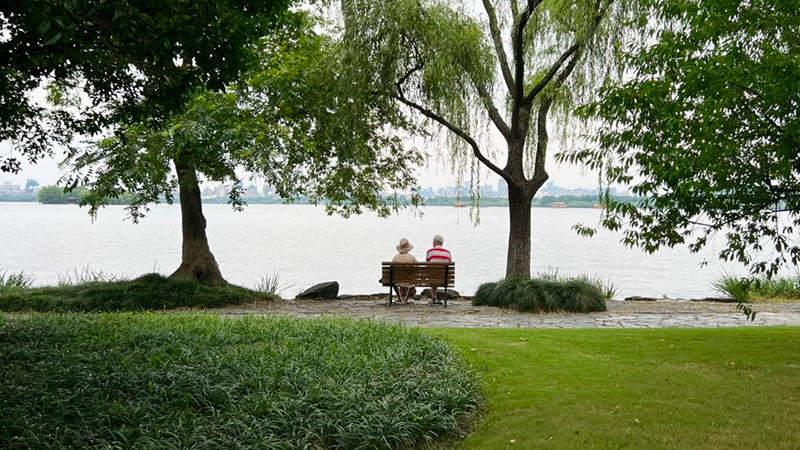
From the shoreline, willow trees frame distant pagodas and bridges. From the water, the city recedes, leaving only ripples, reflections, and stories carried by the lake itself. A boat journey across West Lake offers a quieter, more intimate perspective, allowing travelers to experience the scenery much as scholars and nobles once did.
For those who wish to experience West Lake beyond walking paths, the West Lake Hand-Rowed Boat Experience offers a slow, elegant way to explore the lake alongside a local companion, sharing tea, stories, and unfiltered views of Hangzhou’s most iconic landscape. If you are interested in learning more about boating traditions on West Lake—how these routes were shaped, what different boats symbolize, and why drifting on the water has long been associated with poetry and leisure—you may also enjoy our in-depth blog article West Lake Boat Tour dedicated to the West Lake boat experience.

Source: http://xhslink.com/o/4giJqMJibLg
Lingyin Temple and Feilai Peak: Where Faith Meets Stone
Hidden among forested hills, Lingyin Temple is one of the most important Buddhist temples in China. Founded over a thousand years ago, it remains a place of quiet devotion, incense-filled halls, and rhythmic chanting. Nearby Feilai Peak is an open-air gallery of Buddhist stone carvings, with hundreds of figures carved directly into the rock face, weathered yet expressive.
Walking here feels contemplative rather than hurried. Moss-covered paths, filtered sunlight, and ancient carvings invite visitors to slow down and reflect. It is a place where spiritual belief, art, and nature coexist effortlessly, making it one of the most meaningful Hangzhou tourist attractions.
If you would like to explore Lingyin Temple and Feilai Peak in greater depth—learning about their Buddhist symbolism, stone carvings, hidden paths, and the stories that have shaped this sacred landscape over centuries—you may enjoy our dedicated feature article Feilai Peak & the Lingyin Temple Complex, which takes you further into the spiritual and artistic heart of this area.

Source: http://xhslink.com/o/eyKuEd6GiO
Leifeng Pagoda: Viewing Hangzhou from Above
Leifeng Pagoda rises on the southern edge of West Lake, standing as both a scenic lookout and a cultural symbol. Associated with classic Chinese legends, the pagoda offers panoramic views of the lake, surrounding hills, and the modern city beyond.
From the top, West Lake unfolds like a painted scroll—bridges curve gently across water, trees cluster along the shore, and boats glide silently below. It is an ideal place to appreciate the balance Hangzhou maintains between heritage and modern life.
Leifeng Pagoda is closely associated with one of China’s most beloved folktales, The Legend of the White Snake. According to the story, the pagoda was built to imprison the White Snake, a spirit who fell in love with a human scholar. Over time, Leifeng Pagoda became a symbol of love tested by fate, devotion, and the enduring hope for reunion. Standing by West Lake, it carries both architectural significance and a layer of poetic melancholy that has shaped how generations imagine romance in Hangzhou.

Source: http://xhslink.com/o/9cCpdqNZnoA
Xixi National Wetland Park: A City Breathing with Nature
Just a short distance from West Lake lies Xixi National Wetland Park, China’s first national wetland park and one of Hangzhou’s most distinctive attractions. With waterways covering most of its area, Xixi feels like a natural maze of reeds, ponds, wooden bridges, and quiet villages.
Its history stretches back to Neolithic times, later becoming an imperial hunting ground and eventually a landscape of private gardens. Today, visitors can walk along historic embankments or take traditional boats through narrow channels, passing lotus ponds, fishing villages, and seasonal scenery that changes throughout the year.
Xixi offers a slower, softer side of Hangzhou sightseeing, ideal for travelers seeking nature, ecology, and tranquility away from urban crowds.

Source: http://xhslink.com/o/5GmrOTcwDB4
Longjing Tea Fields and Nine Creeks: Walking Through Tea and Mist
South of West Lake, the hills around Longjing Village and Nine Creeks form one of Hangzhou’s most beautiful walking routes. Tea terraces climb the slopes, streams weave through valleys, and bamboo forests filter the light. In spring, the air carries the fresh scent of tea leaves; in autumn, maple leaves turn the paths warm and golden.
This area is closely tied to Hangzhou’s tea culture and daily rural life. Walking here feels immersive and grounding, offering insight into how landscape and livelihood shape one another.
To experience this area more deeply, the Stove-Boiled Tea with a Local Experience invites travelers to slow down with a local companion, sharing tea, conversation, and seasonal scenery in the heart of the Longjing tea fields.

Source: http://xhslink.com/o/8lNsEmMAkx4
Songcheng, Hefang Street, and Living Traditions
Songcheng brings history to life through immersive performances, traditional architecture, and the famous show Romance of the Song Dynasty, especially captivating after dark. Nearby, Hefang Street and Southern Song Imperial Street preserve the lively atmosphere of old Hangzhou, filled with traditional medicine shops, local snacks, and souvenir stalls.
As evening falls, lanterns glow and the streets grow more animated. Though commercial, these areas remain popular places to experience Hangzhou’s night atmosphere and everyday energy.
For travelers curious about Hangzhou after dark, the Wushan Bar and Night Market Experience offers a guided evening walk with a local companion, blending nightlife, folklore, and street culture into a uniquely atmospheric journey.

Source: http://xhslink.com/o/7DSnv9vWNz7
Canals, Campuses, and Ancient Civilizations
Tucked along the banks of the Grand Canal, Xiaohe Straight Street offers a quieter, more intimate side of Hangzhou with cafes, craft shops, and lantern-lit evenings. Once a traditional residential area for boatmen and merchants, the neighborhood has gradually evolved into a creative enclave while preserving its original canal-side layout. Stone-paved lanes wind past whitewashed houses, wooden doors, and low bridges, now home to independent coffee shops, ceramic studios, bookstores, and small design boutiques. In the late afternoon, the canal reflects the warm glow of lanterns as locals stroll, chat, and pause by the water. It is an ideal place for slow wandering, people-watching, and experiencing how everyday life in Hangzhou blends history with contemporary creativity.
Designed by Pritzker Prize–winning architect Wang Shu, the Xiangshan Campus of the China Academy of Art is often regarded as one of Hangzhou’s most striking modern architectural spaces. Built using recycled bricks and tiles from demolished traditional houses, the campus reflects a deep respect for Chinese architectural heritage while reinterpreting it through a modern lens. Meandering pathways, bamboo corridors, red-brick walls, and open courtyards create a landscape that feels both scholarly and poetic. The Red Brick Art Museum on campus is especially popular for photography, while elevated walkways offer layered views of rooftops, hills, and sky. More than a school, Xiangshan Campus feels like a living museum where art, architecture, and nature quietly coexist.
Further afield, Liangzhu Archaeological Site Park opens a window into a 5,000-year-old civilization. City walls, jade artifacts, wetlands, and open fields tell the story of one of the earliest urban societies in the world, making it a powerful destination for history lovers. Within the park, visitors can also explore the Deer Garden, home to a gentle herd of spotted deer. The open setting allows guests to observe the animals up close, and at designated times, even feed them under staff guidance. The presence of the deer adds a quiet sense of life and warmth to the ancient landscape, creating a subtle contrast between prehistoric civilization and living nature.

Source: http://xhslink.com/o/ADba31qdzTi
Discover Hangzhou with Bridge to Locals
Hangzhou reveals its deepest charm through shared moments rather than rushed sightseeing. Bridge to Locals creates experiences that connect travelers with local companions who walk, talk, and explore the city together—sharing stories, personal perspectives, and everyday life along the way.Whether gliding across West Lake, wearing traditional Hanfu through old streets, brewing tea in the hills, or wandering night markets after dark, these experiences add warmth and meaning to your journey. In Hangzhou, the most beautiful memories are often made not by seeing more, but by understanding more.






Leave a comment
This site is protected by hCaptcha and the hCaptcha Privacy Policy and Terms of Service apply.