
By Sherry Fei | December 2025
Hangzhou is a city where beauty feels unhurried.
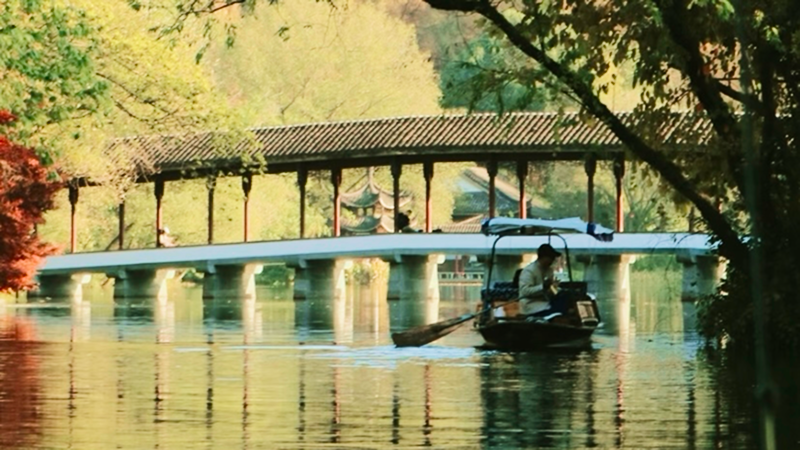
Morning mist drifts across West Lake, willow branches brush the water’s edge, temple bells echo from forested hills, and centuries-old streets quietly continue their daily rhythms. This is not a place that rushes to impress—it invites you to slow down.
If you are searching for things to do in Hangzhou, you’ll quickly notice that the city’s charm lies not only in famous sights, but in how nature, history, and everyday life blend together. From legendary pagodas and Buddhist temples to canal-side neighborhoods and lively night markets, Hangzhou reveals itself gradually, rewarding curiosity and patience.
Here is a local-style guide to the most meaningful Hangzhou attractions, along with seasonal highlights and everyday places locals truly love.
1. Wander Along West Lake: Broken Bridge, Su Causeway, and Bai Causeway
No introduction to Hangzhou is complete without West Lake. Rather than treating it as a single attraction, locals experience it as a living landscape—one that changes with light, weather, and season.
- Broken Bridge (Duanqiao) is famous for its winter snow scenery and for being the opening scene of the Legend of the White Snake. Even without snow, it remains one of the most poetic viewpoints on the lake.
- Su Causeway stretches gently across the water, lined with willow trees that sway in the breeze. Walking here at sunrise or dusk feels timeless.
- Bai Causeway connects the city to the lake’s northern shore, offering calm views and soft reflections—especially beautiful in spring.
This trio forms the heart of West Lake, ideal for slow walks, photography, or simply sitting and watching life pass by.

Source: http://xhslink.com/o/Ackdgn4wDpp
Strolling along Su Causeway and Bai Causeway is a classic way to experience West Lake, but for an even more magical perspective, hop on a boat and glide across the shimmering waters. Discover the best routes and tips in our full guide to West Lake Boat Tours.
2. Climb Leifeng Pagoda and Revisit a Chinese Love Legend
Standing on the southern shore of West Lake, Leifeng Pagoda is inseparable from the legendary love story of White Snake and Xu Xian. According to folklore, the pagoda once imprisoned White Snake, symbolizing love tested by fate and social order.
Today’s pagoda is a modern reconstruction, but climbing it offers:
- Panoramic views over West Lake
- Exhibitions on folklore and local history
- A quiet moment to reflect on how myths shape Chinese cultural memory
It’s one of the most emotionally resonant Hangzhou attractions, especially for visitors interested in stories and symbolism.

Source: http://xhslink.com/o/1aVQBK8CcD3
3. Step Into Stillness at Lingyin Temple
Hidden among dense forests and limestone peaks, Lingyin Temple is one of the most famous Buddhist temples in China. Founded over 1,600 years ago, it remains an active place of worship rather than a static monument.
As you walk through its halls, you will notice the scent of incense drifting through the courtyards, stone carvings scattered along Feilai Peak, and worshippers quietly lighting candles or turning prayer beads. The atmosphere is calm, grounded, and deeply reflective.
After visiting the main halls, many visitors choose to stop at the temple’s vegetarian canteen to try Lingyin Temple’s renowned vegetarian noodles. Served in a clear, comforting broth with seasonal vegetables, tofu, and handmade wheat noodles, this simple bowl reflects the Buddhist philosophy of restraint and balance. There is no meat, yet the flavor is warm and satisfying—proof that simplicity, when done well, can be deeply nourishing.
Lingyin Temple’s famous vegetarian noodles are just a taste of Hangzhou’s rich noodle culture. If you want to explore more of the city’s authentic noodle dishes and breakfast delights, check out our full Hangzhou Noodle Guide for an insider look at where to eat and what to try.
Even for non-religious travelers, Lingyin Temple offers more than sightseeing. It is a place to slow down, eat mindfully, and experience a quieter rhythm of Hangzhou life—one that lingers long after you leave the forested hills.

Source: http://xhslink.com/o/2GmvqCUhB2f
Lingyin Temple is just the beginning—if you want to uncover more of Hangzhou’s enchanting temples and their fascinating stories, don’t miss our full guide to famous temples in Hangzhou.
4. Manjuelong: Osmanthus Valleys, Stone Dwellings, and Quiet Temples
Tucked into the forested hills near West Lake, Manjuelong Village offers one of Hangzhou’s most atmospheric retreats. The area is famed for its osmanthus trees, which bloom in early autumn and fill the valley with a delicate, honeyed fragrance, transforming the entire village into a living incense trail.
Winding through the hills are clusters of traditional stone houses and grotto-like structures, most notably Shiwu Cave. Carved into natural rock formations, the cave shelters small Buddhist sculptures and reliefs, quietly hidden among moss-covered walls and shaded corridors. These understated carvings give the area a sense of spiritual depth, blending religious symbolism seamlessly into the surrounding landscape.
On a nearby hillside sits the gentle and much-loved “Cat Temple (MIAOSY),” which is not a real temple, but a cat-themed cultural cafe tucked into the hillside of Manjuelong. Designed like a small Japanese-style courtyard, it’s known for its resident cats, playful “cat fortune” rituals, and a calm, healing atmosphere that has made it popular with young visitors.

Source: http://xhslink.com/o/2gO8ssWXXg8
Occasionally glimpsed from surrounding paths is a private residence inspired by the bathhouse in Spirited Away. As it is a private home and not open to visitors, it is best appreciated from a distance, adding a subtle, whimsical note rather than functioning as a formal attraction.
More than a checklist stop, Manjuelong is a place to slow down—listen to the wind through the trees, breathe in the scent of osmanthus, and experience a softer, more contemplative side of Hangzhou.

Source: http://xhslink.com/o/642IJGbNJrN
5. See Spring in Full Bloom at Prince Bay Park (Taiziwan Park)
In spring, Prince Bay Park becomes one of Hangzhou’s most photogenic spots. Tulips, cherry blossoms, and manicured lawns transform the park into a sea of color.
Locals come here to:
- Picnic under flowering trees
- Take wedding photos
- Enjoy one of the most relaxed springtime experiences in the city
If you visit Hangzhou between March and April, this park is a must.

Source: http://xhslink.com/o/5dfY3BgoI6v
6. Hupao Park: A Spring Shaped by Nature and Legend
Surrounded by dense greenery and quiet hills, Hupao Park is one of Hangzhou’s most serene natural attractions, known for its famed Hupao Spring, often called “the Third Finest Spring Under Heaven.”
The name comes from a Tang Dynasty legend in which two tigers were said to have unearthed the spring, allowing fresh water to flow from the hillside. Whether myth or metaphor, the spring has long been associated with purity and spiritual calm.
Unlike Hangzhou’s grand temple complexes, Hupao today feels deliberately understated. A simple entrance leads visitors along a long stone path toward the spring, accompanied by flowing streams and unmanicured hillsides. On misty or rainy days, the park is especially tranquil, offering a rare sense of distance from the city.
Hupao is also remembered for its cultural figures. The artist-turned-monk Li Shutong (Master Hongyi) once practiced here, and the legendary monk Ji Gong is said to have connections to the site. These layered stories give Hupao a distinctly human warmth, setting it apart from more monumental religious landmarks.
Now functioning as a spring-themed park rather than an active temple, Hupao remains a place for quiet walking, reflection, and slowing down, embodying a softer, more inward side of Hangzhou.

Source: http://xhslink.com/o/2uCI1A53wKn
7. Walk the Grand Canal at Gongchen Bridge and Xiaohe Street
Beyond West Lake, Hangzhou’s identity is deeply tied to the Beijing–Hangzhou Grand Canal, a UNESCO World Heritage Site.
- Gongchen Bridge marks the canal’s historical northern hub, once vital to trade and transport.
- Nearby Xiaohe Street preserves canal-era architecture, now home to independent shops, cafes, and artisan studios.
This area showcases a slower, more residential side of Hangzhou—perfect for wandering without a plan.

Source: http://xhslink.com/o/4DEm9vh5IT0
8. Wulin Night Market & Wushan Night Market: Two Sides of Hangzhou After Dark
When night falls, Hangzhou reveals a different rhythm—and its night markets are where local life truly comes alive.
Wulin Night Market is the city’s most energetic and modern night market, functioning primarily as a vibrant street food hub. Recently upgraded and reopened with organized street stalls, it offers an ever-changing mix of snacks, desserts, drinks, accessories, flowers, and seasonal fruit. The atmosphere is lively and youthful, making it a favorite stop for visitors who want to sample Hangzhou’s casual night bites and feel the city’s pulse after sunset.
In contrast, Wushan Night Market represents Hangzhou’s older, more traditional side. Less crowded and far more relaxed, it is one of the city’s longest-standing night markets and retains a strong sense of everyday street life. Here, food stalls sit alongside vendors selling clothing, accessories, pets, small games, and household curiosities. The variety is eclectic and unpolished—exactly what gives it its charm.
In addition to the stalls, the streets around Wu Shan Night Market are dotted with a variety of bars. Visitors can enjoy a drink while soaking in the lively yet laid-back evening vibes, making it a perfect spot for those who want to blend local culture with nightlife experiences.
If Wulin feels trendy and bustling, Wushan feels intimate and lived-in. It’s a place to wander slowly, browse without pressure, and glimpse the unfiltered shi jing (street-level) atmosphere that once defined Hangzhou nights. For travelers staying nearby or curious about local nightlife beyond tourist hotspots, it’s a quietly rewarding stop.

Source: http://xhslink.com/o/5OOFC1TsMcB
After exploring Wulin Night Market and Wushan Night Market, if you’re still craving more of Hangzhou’s authentic breakfast flavors, don’t miss our complete Hangzhou Breakfast Guide to discover the city’s most beloved morning eats and hidden local spots.
Travel Like a Local in Hangzhou
Hangzhou is not a city to rush through. Its beauty unfolds through small moments—walking beside water, sharing tea, listening to temple bells, or getting lost in an old street.
If you want more than a checklist of attractions, our local hosts can help you:
- Design a personalized Hangzhou tour
- Explore neighborhoods beyond tourist routes
- Experience the city through real local stories and rhythms
Contact Bridge to Locals to plan your Hangzhou journey—and see the city the way locals do.







Leave a comment
This site is protected by hCaptcha and the hCaptcha Privacy Policy and Terms of Service apply.